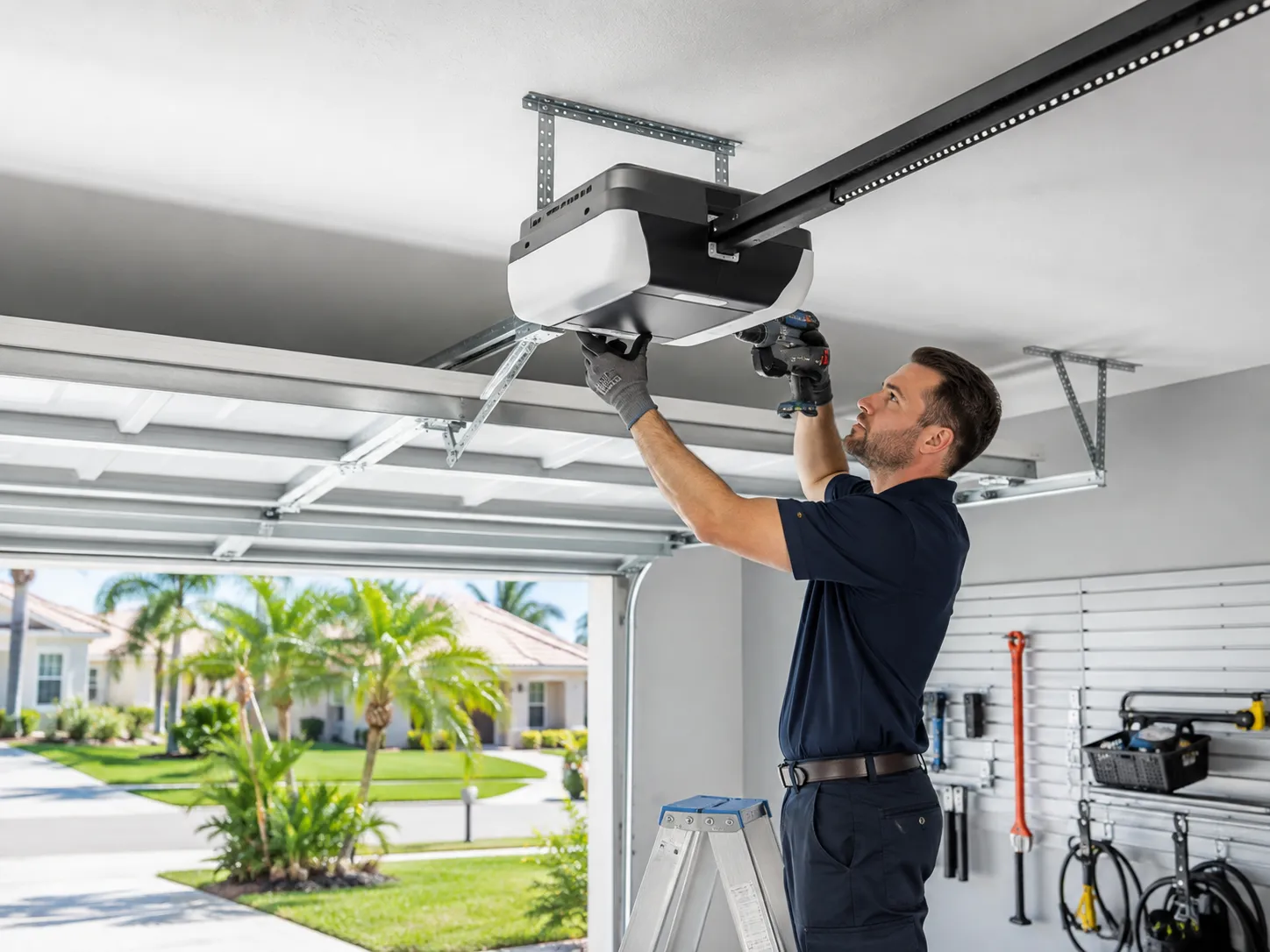
A reliable garage door opener does a lot of quiet work. It gets you out the door on a rushed morning, keeps the garage secured while you’re away, and holds up through the humidity and storm season that come with living down here. When an opener starts failing, or when you’re building a new garage, proper garage door opener installation makes the difference between years of smooth operation and repeated service calls. This guide walks you through what to expect, how to choose the right opener, and when it’s time to bring in a professional rather than tackle the job yourself.
What Garage Door Opener Installation Actually Involves
Installing an opener is more than mounting a motor to the ceiling. The unit has to be matched to the weight and size of your door, mounted securely to the framing, wired safely, and calibrated so the door travels its full range and reverses correctly when something is in its path.
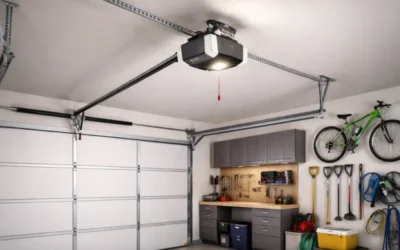
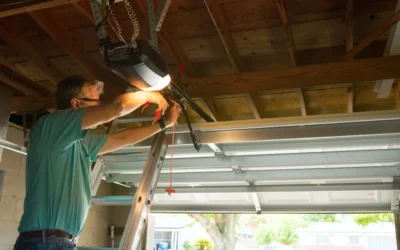
A typical installation includes assembling the rail, mounting the motor head, installing the safety sensors near the floor on both sides of the door, wiring the wall control, and programming remotes and any keypads. The installer then sets the travel limits and force settings so the door stops and reverses the way it should. Those safety adjustments matter. An opener that pushes too hard or fails to reverse is a genuine hazard, which is one reason careful setup is worth the effort.
New Opener vs. Replacement
If you’re replacing an existing opener, the mounting points and wiring are often already in place, which can simplify the job. A brand-new setup in a garage that never had an opener takes more work, including running power to the unit and mounting hardware from scratch. Either way, the opener should be paired with a door that’s in good shape. If your door is off-track, unbalanced, or running on worn springs, those problems should be addressed first, since an opener is not designed to compensate for a door that isn’t moving freely.
Choosing the Right Opener for Your Home
The best opener for your home depends on your door, your garage layout, and how you want to use it. There are a few main drive types to consider.
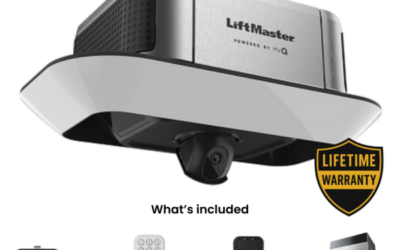
Belt drive: These run quietly and smoothly, which is a real advantage if you have living space above or next to the garage. You can compare quiet, low-vibration models on our page for battery-backup garage door openers and other current options.
Chain drive: A time-tested, budget-friendly choice known for durability. They’re a little louder, so they suit detached garages or homes where noise near bedrooms isn’t a concern.
Wall-mount and smart openers: Wall-mount units bolt to the wall beside the door and free up ceiling space. Many newer models are myQ-enabled, so you can open, close, and check the door status from your phone.
Features Worth Considering in South Florida
Two features stand out for homeowners here. Battery backup keeps the door working during a power outage, which is no small thing when a storm knocks out electricity and you still need to get a vehicle in or out. Smart connectivity lets you confirm the door is closed without driving back home, and it can alert you if the door is left open. Both are practical rather than flashy, and both earn their keep in this climate.
Why Humidity and Storm Season Affect Opener Performance
South Florida is hard on hardware. High humidity and salt air, especially closer to the coast, speed up corrosion on metal components, contacts, and connectors. Frequent power flickers during summer storms can be tough on electronics that aren’t protected. Year-round heat in an unconditioned garage adds its own wear.
None of this means an opener won’t last. It means installation quality and ongoing care matter more here than in milder climates. A professionally mounted unit with a battery backup and a surge protector is better positioned to handle what the season throws at it. Pairing installation with preventive garage door maintenance helps keep the whole system, opener included, running longer.
When to Call a Professional
Some homeowners are comfortable with tools and tempted to install an opener themselves. It’s worth being honest about the risks. Setting the door’s balance, adjusting spring tension, and calibrating force and safety reversal all involve components that are under high tension or that carry real safety consequences if they’re set wrong. Wiring mistakes and improperly mounted units are common in DIY jobs and can lead to a door that operates unsafely.
Professional installation also protects the manufacturer’s warranty on many units and ensures the safety sensors and auto-reverse are set correctly. If your door needs work before the opener goes in, our team handles that too, from spring and cable service to full garage door opener installation. We serve homeowners across Broward, Palm Beach, and Miami-Dade service areas, so help is usually close by.
Signs It’s Time to Replace Rather Than Repair
If your current opener is more than 15 years old, lacks modern safety sensors, runs loudly, or needs frequent repairs, replacement is often the smarter long-term choice. Newer units are quieter, more secure, and far easier to integrate with battery backup and smart controls. A technician can assess your setup and tell you honestly whether a repair will hold or whether you’ll get more value from a new installation.
Frequently Asked Questions
How long does garage door opener installation take?
Most straightforward opener installations take a few hours. A replacement using existing mounting and wiring tends to go faster, while a first-time installation in a garage without prior wiring takes longer. If the door itself needs adjustment or repair first, that adds time.
Can I install a garage door opener on any door?
Most standard residential doors can accept a compatible opener, but the opener must be matched to the door’s size and weight. A door that’s unbalanced or in poor condition should be serviced first, since the opener isn’t built to force a door that doesn’t move freely.
Do I need a battery-backup opener in South Florida?
It’s a practical choice here. Battery backup keeps your door operating during a power outage, which is common during hurricane season and summer storms. Many homeowners find it worth the added cost for that reason alone.
Is professional installation worth it over doing it myself?
For most homeowners, yes. Professional installation ensures the safety sensors, force settings, and auto-reverse are calibrated correctly, protects your warranty on many units, and avoids the wiring and mounting mistakes that are common with DIY jobs.
Ready to Upgrade Your Garage Door Opener?
Whether you’re replacing an aging unit or setting up a new garage, The Door Doctor of South Florida can recommend the right opener for your door, install it correctly, and set up battery backup and smart controls if you want them. Request a free estimate and we’ll help you plan the project with clear, upfront pricing.