
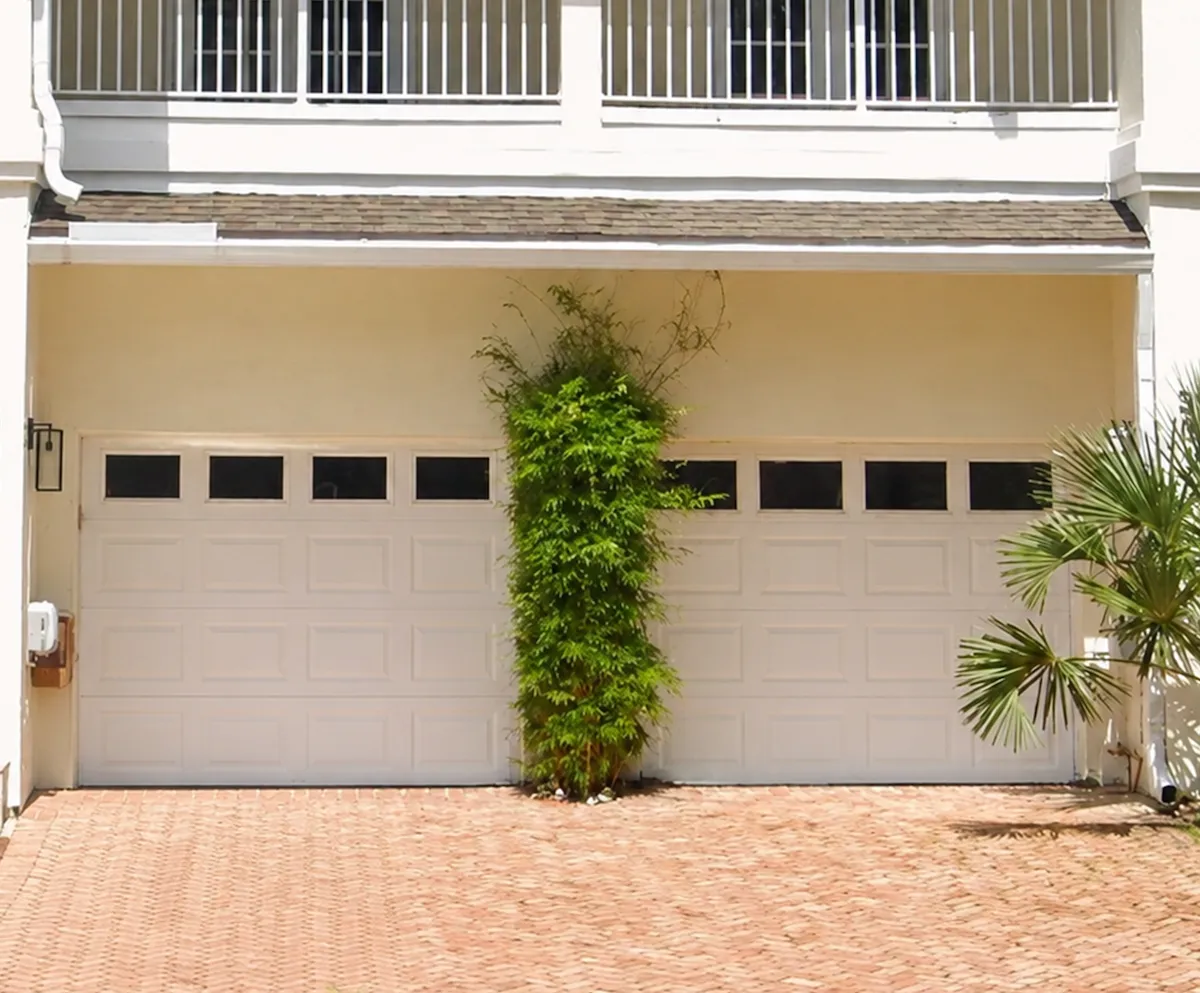
In South Florida, your air conditioner works hard for most of the year. Anything that lets heat into your home makes it work even harder, and an uninsulated garage is a common culprit. An energy-efficient garage door helps keep that heat out, which can make an attached garage more comfortable and ease the load on your cooling system. If your garage doubles as a workshop, gym, or laundry room, or if it shares a wall with living space, the door you choose matters more than you might think. Here’s how these doors work and what to look for.
How a Garage Door Affects Your Home’s Energy Use
The garage door is the largest opening on most homes, and a standard single-layer door offers very little in the way of insulation. In our climate, that means the garage can turn into an oven, and if it’s attached, that heat radiates through shared walls and the door into the house into rooms your AC is trying to cool.
An insulated, energy-efficient door slows that heat transfer. It helps keep the garage closer to a reasonable temperature and reduces how much heat sneaks into adjoining rooms. For homes with living space above or beside the garage, that can translate into a more comfortable house and less strain on the air conditioner.
What Makes a Garage Door Energy-Efficient
A few features separate an efficient door from a basic one. Understanding them helps you compare options when you shop.
Insulation and R-Value
Insulation is the biggest factor. Many efficient doors use a polyurethane or polystyrene core sandwiched between steel layers, which resists heat transfer far better than a single sheet of steel. This is often described using an R-value, a measure of insulating performance, where a higher number means better resistance to heat flow. When comparing doors, the R-value gives you a rough way to gauge how well one insulates versus another.
Construction and Weather Sealing
Layered construction matters too. Double- and triple-layer doors, with insulation bonded between steel skins, insulate better and tend to be quieter and more durable than single-layer models. Just as important is the sealing around the door. Quality weatherstripping along the bottom and sides, plus tight-fitting sections, keeps hot, humid outside air from leaking in around the edges. Even a well-insulated door loses some of its benefit if the seals are worn or poorly fitted.
The Comfort and Cost Benefits
The most noticeable benefit for many homeowners is comfort. A garage that stays cooler is simply more usable year-round, whether you park there, work out, or use it for storage and laundry. Rooms next to or above the garage also tend to feel more even in temperature.
There’s a potential energy benefit as well. By reducing heat transfer, an efficient door can lessen how hard your AC works to cool nearby spaces. Actual savings depend on many factors, including your home’s construction, how the garage is used, your insulation elsewhere, and your cooling habits, so it’s not something anyone can promise a specific number on. Think of energy efficiency as one helpful piece of a comfortable, well-managed home rather than a guaranteed line-item saving.
Extra Perks Beyond Temperature
Insulated doors bring a few bonuses. The same layered construction that blocks heat also dampens sound, so the door operates more quietly and outside noise is reduced. These doors are also typically sturdier, which can mean better durability and a more solid feel day to day. You can compare classic traditional steel garage doors, which come in a range of insulation options, to see what fits your home.
Why Energy Efficiency Matters More in South Florida
Our climate makes this a bigger deal than it would be in a milder part of the country. The heat and humidity are intense and last most of the year, so cooling costs are a real, ongoing part of running a home here. A door that helps keep heat out of an attached garage is working for you across a long season, not just a few weeks.
Humidity is a factor too. A garage that swings between hot and sticky is harder on anything stored inside, and an insulated door helps keep conditions steadier. Pairing an efficient door with good seals and regular upkeep gives you the most benefit in this environment. Keeping up with preventive garage door maintenance helps ensure the seals and hardware keep doing their job over time.
Is an Energy-Efficient Door Worth It for Your Home?
The upgrade makes the most sense in certain situations. It’s especially worthwhile if your garage is attached, shares a wall or ceiling with living space, or gets used as more than just parking. If you have a room above the garage that always feels warm, an insulated door is one part of addressing that. Styles like modern farmhouse garage doors pair insulated construction with strong curb appeal, so you don’t have to trade looks for performance.
For a detached garage you rarely spend time in, the comfort benefit is smaller, though the added durability and quieter operation may still appeal. The best way to decide is to weigh how you use the space against your goals for comfort and your budget. If cost is a consideration, we can also walk you through home improvement financing options that help spread out the investment.
When to Talk to a Professional
Choosing the right door means matching insulation, construction, and style to your home and how you use the garage. It’s a lot to weigh, and a professional can help you compare options without the guesswork. Installation itself is also work for a trained team, since a door has to be fitted and sealed correctly to actually deliver its efficiency benefits, and the springs and hardware involved are not DIY-friendly.
Our experienced installers can assess your garage, recommend an energy-efficient door that fits your needs and budget, and install it properly so the seals and insulation perform as intended. If you’re not sure where to start, we’re happy to talk through the choices with you.
Frequently Asked Questions
Will an energy-efficient garage door actually lower my electric bill?
It can help by reducing heat transfer into your home, which eases the load on your AC. That said, actual savings depend on your home’s construction, how you use the garage, and your cooling habits, so no one can promise a specific dollar amount. It’s best viewed as one part of a more comfortable, efficient home.
What R-value should I look for in South Florida?
A higher R-value means better insulation, but the right choice depends on your home and how the garage is used. An attached garage or one with living space nearby generally benefits from a higher R-value. A professional can help you match the insulation level to your situation.
Do I need an insulated door if my garage is detached?
The comfort and energy benefits are smaller for a detached garage you don’t spend much time in, since it’s not connected to your living space. That said, insulated doors are typically quieter and more durable, which some homeowners still find worthwhile. It comes down to how you use the space.
Does an insulated garage door help with humidity?
An insulated door helps keep the garage temperature steadier, which can make conditions inside a bit more stable in our humid climate. Good weather sealing matters here too, since it limits how much hot, humid air leaks in around the edges. Regular maintenance keeps those seals effective.
Ready to Cool Down Your Garage?
An energy-efficient garage door is a smart upgrade for South Florida homes, especially attached garages that share space with the rooms you live in. The Door Doctor of South Florida can recommend the right insulated door for your home and install it correctly for lasting comfort. Request a free estimate and we’ll help you find the best fit.