Your garage door is the largest moving part of your home, and in Deerfield Beach it works under some of the toughest conditions in the country. Salt air, humidity, summer storms, and daily use all take a toll on springs, tracks, rollers, and openers. When something starts grinding, sticking, or refusing to move, knowing what’s normal wear and what’s a real problem saves you time and money. This guide covers the most common reasons homeowners need garage door repair in Deerfield Beach, what our coastal location does to door components, which fixes are safe to handle yourself, and when it’s time to bring in professional garage door repair.
The Most Common Garage Door Problems in Deerfield Beach Homes
Most repair calls we see fall into a handful of categories, and each one gives you warning signs before it becomes a full breakdown.
Broken or Worn Springs
Springs do the heavy lifting every time your door opens, and they’re rated for a set number of cycles. When one breaks, you’ll usually hear a loud bang from the garage, and afterward the door will feel extremely heavy or only open a few inches. A stretched or gapped spring above the door is another giveaway. Springs are under extreme tension and should never be a DIY project. If you spot these signs, keep the door closed and schedule garage door spring repair right away.
Doors That Come Off Track
Bent tracks, worn rollers, or an impact from a car bumper can pull the door out of alignment. An off-track door may shudder, scrape, or jam partway. Continuing to run it usually makes the damage worse, so stop using the opener until it’s inspected.
Noisy Operation
Squealing, grinding, and rattling are your door’s way of asking for attention. Sometimes the fix is as simple as lubrication. Other times the noise points to failing rollers, loose hardware, or a struggling opener. A door that gets louder over weeks rather than suddenly is usually a wear issue that a tune-up can resolve.
Opener Problems
If the motor runs but the door doesn’t move, or the door reverses before closing, the issue may be the opener itself, the safety sensors, or the door hardware the opener is fighting against. A technician can tell you quickly whether you need a repair or whether the opener is at the end of its life.
Worn Cables and Hardware
Cables fray, hinges crack, and bolts loosen over years of daily cycling. Frayed cables in particular are a safety concern, since they work alongside the springs to control the door’s weight. Like springs, cables should only be handled by a trained professional.
How Coastal Living Affects Your Garage Door
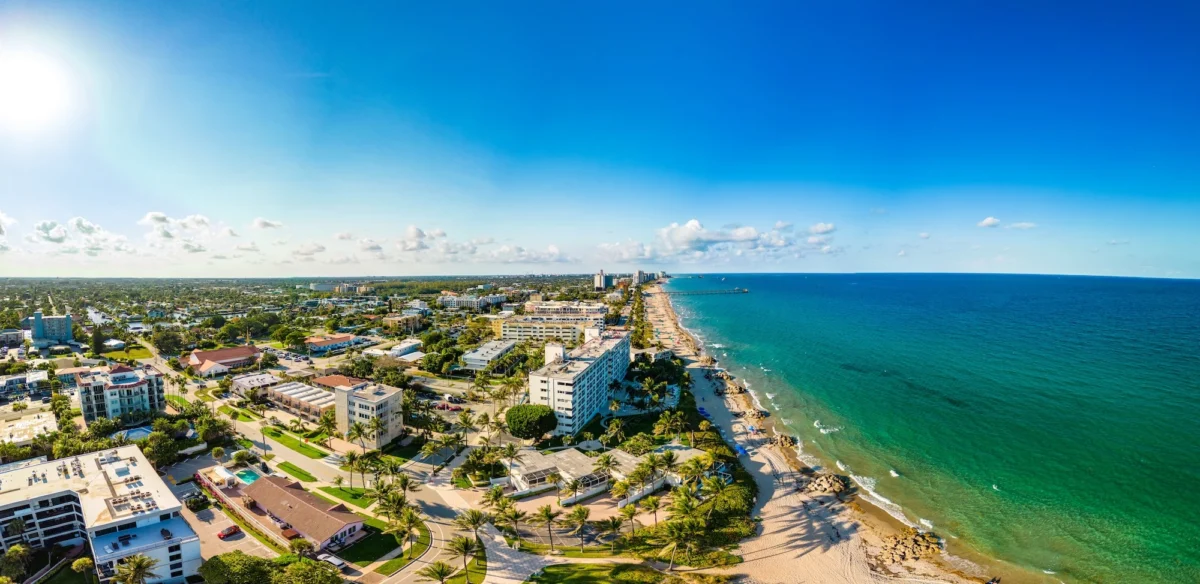
Deerfield Beach sits right on the Atlantic, and homes east of Federal Highway feel it the most. Salt in the air settles on every metal surface, accelerating corrosion on springs, tracks, cables, and fasteners. Even a mile or two inland, the salt-and-humidity combination shortens component life compared to what the same door would see in a drier climate.
Humidity adds its own problems. Moisture breaks down lubricants faster, swells weatherstripping, and creeps into opener electronics. Summer thunderstorms bring power surges that can damage opener circuit boards, and wind-driven rain tests the seals along the bottom and sides of the door.
What this means practically: a garage door in Deerfield Beach benefits from more frequent attention than the national once-a-year rule of thumb. Rinsing salt residue off the exterior of the door occasionally, keeping moving parts lubricated with a garage-door-rated lubricant, and having a professional inspection annually all go a long way. If it’s been a while since anyone looked at your system, preventive garage door maintenance is the cheapest repair you’ll ever schedule.
What You Can Safely Check Yourself
Plenty of quick checks are homeowner-friendly:
- Test the balance: Pull the emergency release and lift the door halfway by hand. A balanced door stays put. A door that slams down or flies up has a spring issue and needs a professional.
- Clean the safety sensors: Wipe the lenses near the floor on both sides of the opening and make sure both indicator lights glow steadily.
- Look and listen: Watch the door run a full cycle. Note any jerking, scraping, or hesitation and where in the cycle it happens. That detail helps a technician diagnose faster.
- Tighten what’s visible: Loose hinge and track bolts can be snugged with a wrench. Skip anything attached to the springs or cables.
- Check the weatherstripping: Cracked or flattened bottom seals let in water and pests, and they’re a simple replacement.
Leave springs, cables, bottom brackets, and track adjustments to a trained technician. Those components hold the door’s full weight and can cause serious injury when handled incorrectly.
Repair or Replace? How to Decide
Not every problem justifies a new door. A broken spring on a structurally sound door is a straightforward repair. Same with rollers, cables, sensors, and most opener issues.
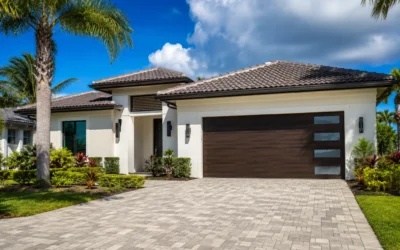
Replacement starts making sense when the door itself is failing: rusted-through panels, delaminating sections, repeated repairs on an aging door, or an older door that predates modern wind-load standards. Many Deerfield Beach homes still have doors installed decades ago, and upgrading to a current hurricane-rated model improves both storm readiness and daily reliability. If you’re weighing options, you can browse hurricane-rated garage doors to see what current styles and construction look like.
Why Hire a Local Deerfield Beach Professional
A local company understands what coastal exposure does to doors because we see it every day. Our technicians know which components fail first in beachside neighborhoods, which materials hold up, and what wind-load requirements apply to homes in Broward County. The Door Doctor has served South Florida since 1981, and we handle garage door repair in Deerfield Beach and the surrounding communities with same-day service when you need it.
Local also matters after a storm. When severe weather moves through, response time depends on proximity, and a company based in South Florida can get to you faster than a national call center dispatching whoever is available.
Let The Door Doctor Solve Your Problems
Whether your door is grinding, stuck, off track, or simply overdue for a checkup, our experienced technicians can diagnose the problem and give you a straightforward recommendation. Schedule service today and get your garage door working smoothly again.
Frequently Asked Questions
How much does garage door repair cost in Deerfield Beach?
Costs vary depending on the component involved and the extent of the damage. A sensor adjustment costs far less than a spring or panel replacement. The most reliable way to know is a professional inspection with a clear written estimate before any work begins.
How often should I service my garage door near the coast?
For homes in Deerfield Beach, an annual professional tune-up is the minimum, and homes close to the ocean benefit from a twice-yearly check. Salt air and humidity wear components faster here than in inland climates.
Can I replace a garage door spring myself?
No. Torsion springs are under extreme tension and can cause serious injury without the proper tools and training. Spring replacement is one of the most dangerous garage door repairs and should always be handled by a professional.
Why is my garage door so loud when it opens?
Common causes include dry rollers and hinges, loose hardware, worn bearings, or a chain-drive opener that needs adjustment. Lubrication helps in many cases, but noise that keeps getting worse usually means parts are wearing out and should be inspected.
Do I need a hurricane-rated garage door in Deerfield Beach?
Broward County follows some of the strictest wind-load requirements in Florida, and replacement doors must meet the standards applicable to your property. A current hurricane-rated door is designed to help protect against windborne debris during storms. Requirements can vary by home, so have a professional confirm what applies to yours.