South Florida’s hurricane season can bring extreme winds, heavy rain, storm surge, and even tornadoes. The best defense is strengthening the parts of your home most likely to fail first: your garage doors, windows, and entry doors. By understanding the risks and taking proactive steps, you can reduce costly damage and keep your family safer. Use this guide to get hurricane-ready before watches and warnings are issued. Save time and money with budget saving hurricane prep.
Understand the Risks
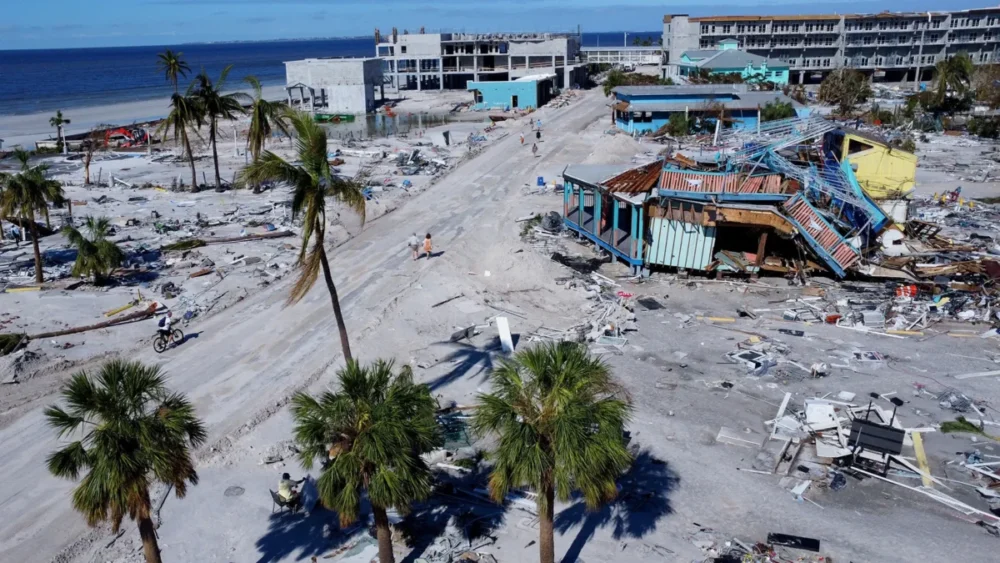
Hurricanes put incredible stress on a home. Powerful winds push against exterior surfaces while creating suction inside. If even one large opening gives way, it can allow pressure to build up and lift the roof. Driving rain, flying debris, and flooding add to the danger. If you live in a high-rise, follow official readiness guidance to avoid flood levels and dangerous upper-floor wind speeds. Every season is different, but preparation is the key to resilience.
Preparing Your Garage Doors
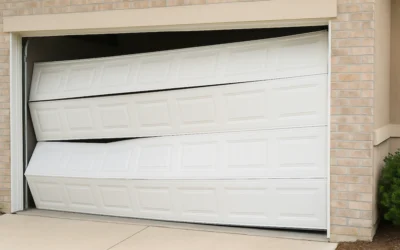
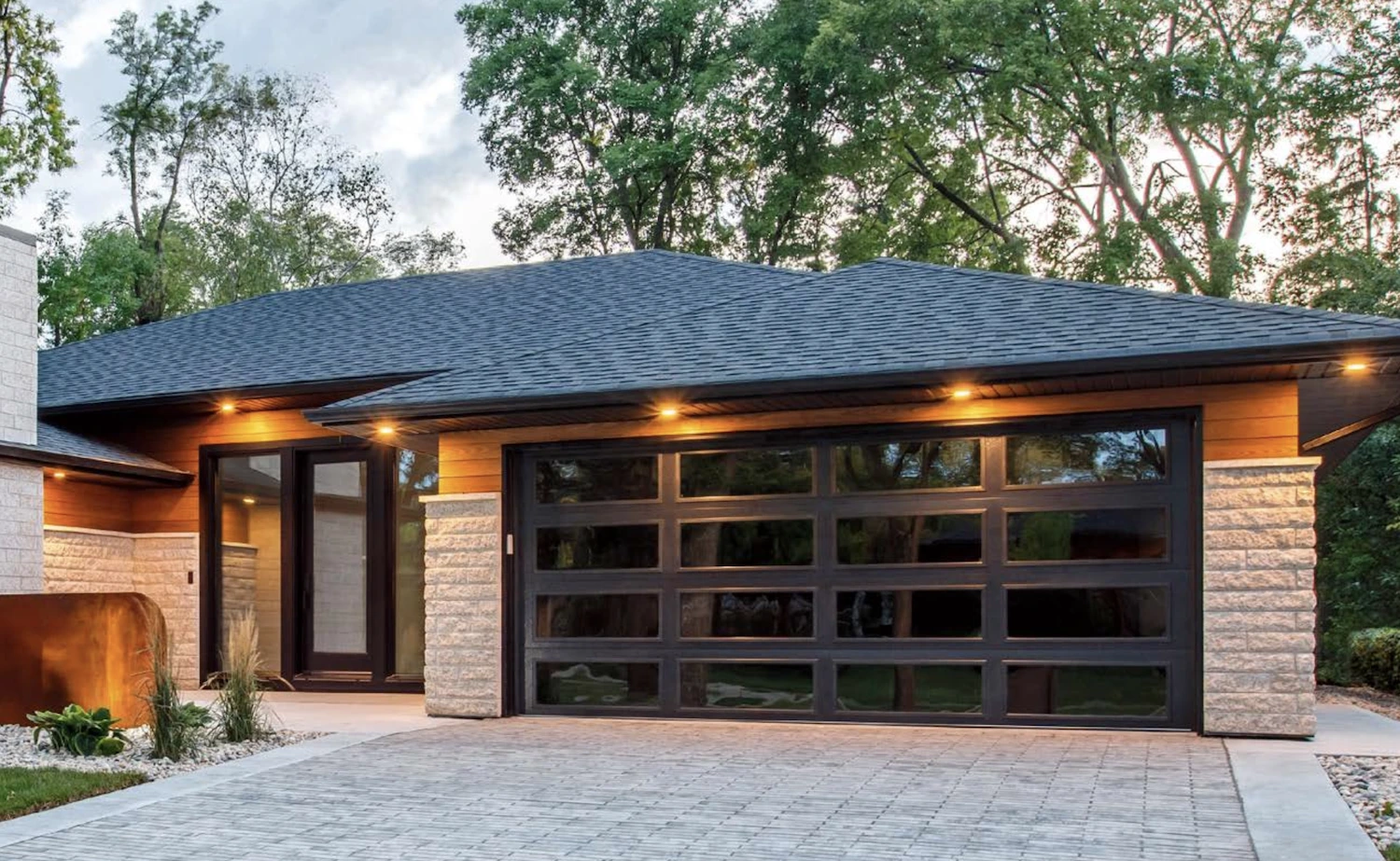
Garage doors cover the single largest opening in most homes, making them one of the first places engineers and inspectors recommend reinforcing. A weak or outdated garage door can buckle under wind pressure, leading to devastating internal damage. Here’s how to prepare:
- Inspect & tune-up: Look for rusted hardware, misaligned tracks, worn springs, or gaps at the seals. If the door doesn’t move smoothly or seal tightly, schedule garage door maintenance to restore functionality before hurricane season.
- Upgrade to hurricane-rated: Florida Building Code requires stronger wind-load resistance in coastal counties. If your home has an older door, it may not meet today’s standards. See why hurricane-rated garage doors are essential in Florida, and consider professional garage door installation to bring your home up to code.
- Reinforce what you have: Bracing kits can stiffen door panels and tracks, but they’re only a temporary fix. If your garage door flexes during strong winds, replacement is the safer long-term choice.
- Smart access & power loss: Hurricanes often knock out power for days. Consider upgrading to a system with battery backup and smart technology, so you can open or close your garage remotely. Explore options here: garage door openers.
Tip: If you’re unsure whether your door is code-compliant, look for a manufacturer’s wind-resistance label on the inside of the panel. If it’s missing or unreadable, have it inspected.

Protecting Your Windows
Windows are the most common entry point for wind, water, and debris during a storm. Once a window breaks, pressure builds quickly inside, threatening the entire structure. Protecting your glass is non-negotiable in South Florida.
- Impact protection: County-approved storm shutters provide reliable protection. If shutters aren’t installed, 5/8″ plywood can work if cut to size and properly anchored. Never rely on tape—it does not prevent glass breakage.
- Seal & drain: Check that window frames are caulked, weatherstripping is intact, and drainage weep holes are clear to reduce water intrusion.
- Consider impact windows: For long-term security and energy savings, consider professional upgrades through our window services. Impact-rated glass combines hurricane resistance with everyday benefits like UV reduction and noise control.
Insurance Tip: Many carriers offer discounts if you install approved impact windows. Ask your agent which upgrades qualify for credits on your policy.
Securing Entry Doors
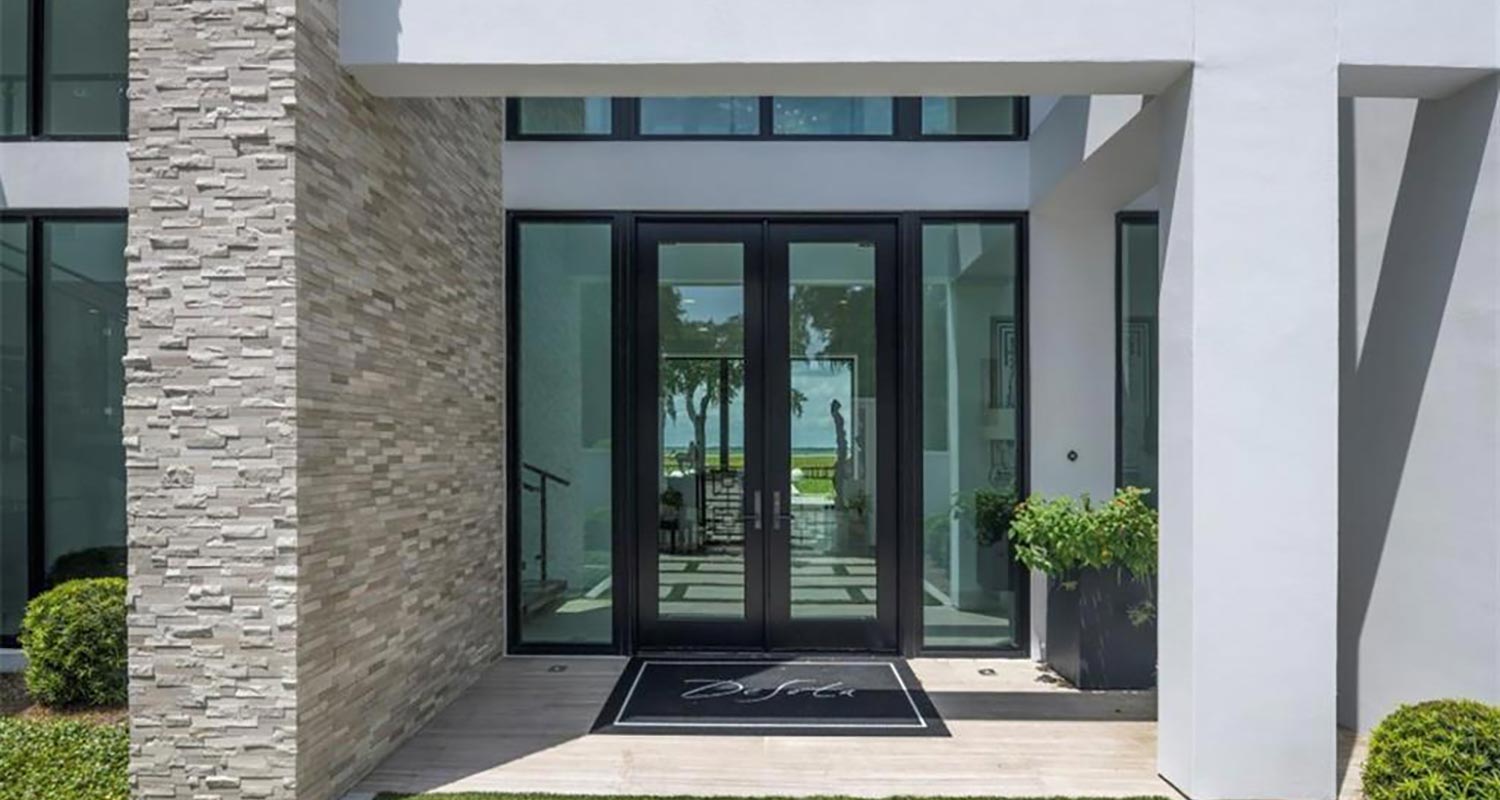
While most people focus on windows and garage doors, entry doors are often overlooked in storm prep. Yet, a weak front, side, or back door can be a major failure point during a hurricane. Strong winds create suction that can pull a poorly anchored door open, and airborne debris can splinter lightweight or hollow-core doors. Water intrusion around the frame is another common issue that causes long-term structural damage. By reinforcing the frame, upgrading locks, and installing hurricane-rated systems, you can turn this vulnerable opening into one of the strongest defenses in your home.
How to Reinforce Door Frames
- Hinges: Use three heavy-duty, through-screwed hinges per door. Replace short hinge screws with 3″ screws that bite into wall studs, not just the jamb.
- Strike plate: Upgrade to a high-security strike with at least four long screws into the king stud. Consider a continuous strike or reinforcement kit.
- Jamb & latch: Add steel jamb shields at latch and deadbolt locations; verify the deadbolt throws a full 1″ into the reinforced strike.
- Sill & weatherseal: Firm up the threshold, replace compressed seals, and confirm an even, tight latch-side contact to limit wind-driven rain.
For maximum protection and curb appeal, install hurricane-rated entry doors that meet Florida wind and impact standards. These doors are specifically engineered with reinforced cores, stronger frames, and impact-resistant glass options that help your home withstand both wind pressure and flying debris.
Whole-Home Prep Tips
Beyond doors and windows, hurricane prep includes clearing your property, protecting electronics, and assembling supplies. A comprehensive approach gives you peace of mind when storms approach. Check out the FloridaDisaster.org website for additional information.
- Yard & exterior: Bring in or tie down furniture, grills, planters, and décor. Prune trees before storm season, not during, to minimize debris and prevent branches from damaging your home.
- Water & power: Fill clean containers with fresh water, fuel generators safely, and use surge protectors for electronics. Never run generators indoors.
- Emergency supplies: Build a 3–7 day emergency kit including one gallon of water per person per day, non-perishables, medications, flashlights, batteries, first-aid items, cash, and pet care essentials. A more comprehensive checklist can be found here.
- Documentation: Photograph your home inside and out for insurance. Store IDs, policies, and medical records in a waterproof container.
Day-Of-Storm Checklist
As the storm approaches, take final steps to secure your property and prepare your family.
- Secure openings: Close and lock all doors, latch windows, engage deadbolts, and deploy shutters or panels.
- Stow loose items: Clear your yard of anything that can become a projectile. Park cars away from trees or in the garage if it’s reinforced.
- Move valuables: Elevate electronics and important items off the floor in flood-prone rooms.
- Stay safe indoors: Avoid windows, don’t use candles, and keep a battery-powered radio for updates. Do not leave shelter during the eye of the storm—it’s only a temporary calm.
After the Storm
Many storm-related injuries occur after landfall. Once conditions are safe, take the following precautions:
- Safety first: Watch for downed power lines, sharp debris, and hidden hazards in standing water.
- Check your home: Inspect for roof damage, leaks, and compromised doors or windows. Cover openings with tarps or plywood until repairs can be made.
- Document & mitigate: Photograph all damage, save receipts, and notify your insurance provider promptly. Take small steps like drying out wet areas to prevent mold.
- Call professionals: If your garage doors, windows, or entry doors are damaged, schedule repairs or replacements quickly to secure your home against additional storms.
Make a Plan with The Door Doctor
Proactive upgrades beat emergency fixes. From wind-rated garage doors and window services to hurricane-rated entry doors and smart garage door openers, our team installs and maintains what keeps your home secure all season long. For more comprehensive information about hurricane preparedness, please check out our guide on steps for preparing for a hurricane.
Is Your Home Hurricane Ready?
Schedule service today to secure your home before the next hurricane. From garage doors to entry doors and windows, we’ll help you stay protected.