
Hurricane Preparedness for South Florida
Protecting your family and property during hurricane season means addressing two key areas:
strengthening your home against wind and debris, and making sure you have supplies, plans, and resources ready before a storm arrives.
 Are You Ready for Hurricane Season?
Preparing for hurricane season isn’t just about stocking supplies—it’s about making sure both your home and your family are ready. Reinforcing doors, windows, and especially your garage door is critical to safety and insurance compliance, while understanding storm warnings, knowing your evacuation zone, building a disaster checklist, and having a family communication plan ensure you can act quickly when a storm approaches. For detailed standards on openings, wind loads, fasteners, and impact protections, review the Florida Building Code.
Preparing Your Home
Hurricane protection starts at home. The strongest supplies and evacuation plans won’t matter if your house can’t withstand powerful winds and debris. Reinforcing your garage door, entry doors, and windows is one of the most effective ways to protect your property and keep your family safe. Taking these steps now also helps you stay compliant with local codes and reduces the risk of costly storm damage.
Reinforce Garage Doors
Your garage door is the largest opening in your home—and often the most vulnerable. Consider upgrading to hurricane-rated garage doors or installing bracing systems that meet wind-load requirements. A failed garage door can lead to roof lift-off and catastrophic damage.
Secure Entry Doors
Check that your entry doors have reinforced frames, heavy-duty hardware, and three-inch screws anchoring hinges and strike plates into wall framing. Upgrading to impact-rated entry doors adds strength and improves compliance with local codes.
Protect Windows & Openings
Use code-approved shutters, impact glass, or properly sized 5/8″ plywood with secure fasteners. If you don’t have them already, you should consider installing hurricane-rated windows. Remember: taping windows does not prevent breakage. Even small breaches can allow wind pressure to destabilize your home.
Yard & Property Checklist
– Bring in patio furniture, potted plants, grills, and tools.
– Prune trees and remove weak branches before the season begins.
– Check seals around windows and doors for leaks.
Review Code Standards
For detailed requirements on openings, wind loads, fasteners, and impact protections, review the Florida Building Code.
Schedule Your Free Home Protection Assessment phone Call
Our experts will review your doors, windows, and garage systems to make sure they’re code compliant and ready for the next storm.

Hurricane-Proof Windows: What Homeowners Need to Know
Protect your home with hurricane-proof windows. Learn how impact-resistant glass safeguards against storms, improves energy efficiency, and boosts home value.
Homeowner’s Guide to Preparing Your Home for Hurricane Season
Prepare your home for hurricane season by reinforcing garage doors, windows, and entry doors with code-compliant upgrades and expert service.
Essential Steps for Preparing for a Hurricane in South Florida
Stay safe this hurricane season with expert tips on securing your home, preparing supplies, and protecting doors and windows against severe storms.
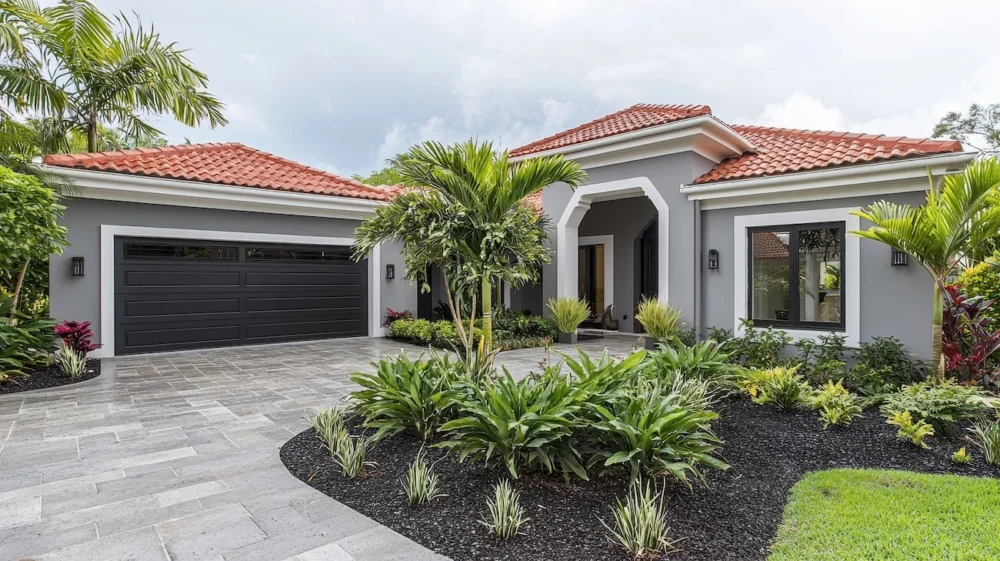
Hurricane-Rated Garage Doors: Why They’re Essential for Florida Homes
Hurricane-rated garage doors protect Florida homes from storms. Learn why reinforced doors are essential for safety, energy savings, and code compliance.
Download the Hurricane Readiness guide
Stay prepared this storm season with Florida’s complete Hurricane Readiness Guide. Inside, you’ll find checklists, evacuation info, expert tips and resources to keep your family and home safe.
Family & Safety Preparations
Hurricane protection starts at home. The strongest supplies and evacuation plans won’t matter if your house can’t withstand powerful winds and debris. Reinforcing your garage door, entry doors, and windows is one of the most effective ways to protect your property and keep your family safe. Taking these steps now also helps you stay compliant with local codes and reduces the risk of costly storm damage.
storm prep checklist
Before hurricane season begins, homeowners should take steps to protect their property and prepare essential utilities. Preparation reduces risks and makes recovery easier.
✓ Photograph your home (inside and out) for insurance.
✓ Secure windows and doors with shutters or plywood.
✓ Bring in outdoor furniture and loose items.
✓ Protect electronics with surge protectors.
✓ Withdraw cash, fuel your vehicle, and prepare generators.
✓ Secure boats well before a storm arrives.
✓ Store water in large containers and fill bathtubs.
✓ Store gasoline safely and operate generators only outside.
✓ Licensed contractors must secure construction sites.
disaster supply kit (3-7 days)
Build a disaster kit in advance and keep it in a waterproof container that’s easy to carry.
✓ One gallon of water per person, per day (3–7 days)
✓ Non-perishable food and a manual can opener
✓ Prescription medications and hygiene items
✓ Bedding, change of clothes, sturdy shoes, rain gear
✓ First-aid kit, flashlight, batteries, radio
✓ Fully charged devices and chargers
✓ Extra car keys, cash, important documents (in waterproof container)
✓ Games or books to keep children calm
✓ Eyeglasses, hearing aids with spare batteries
✓ Pet food, water, and supplies (3–7 days)
Hurricane Resources
Stay informed with trusted, up-to-date information before, during, and after a storm. These official resources provide evacuation maps, storm updates, power outage details, and emergency assistance across Florida.
Florida Division of Emergency Management: Statewide hurricane planning, evacuation maps, and disaster updates.
Florida Building Code: Standards for openings, wind loads, impact protections, and compliance.
Miami-Dade County Hurricane Guide: Local evacuation zones, shelter info, and storm resources.
Broward County Hurricane Information: Preparedness tips, evacuation planning, and recovery updates.
Palm Beach County Emergency Management: Countywide alerts, evacuation maps, and storm readiness guides.
Florida Power & Light (FPL) Outages: Report and track power outages, restoration updates, and safety tips.
National Hurricane Center: Official storm tracking, forecasts, and hurricane advisories.
National Weather Service – Miami Office: Localized forecasts, flood warnings, and weather alerts.
FEMA Disaster Assistance: Apply for aid and access federal recovery resources after a storm.
Be Ready Before the Alert
When a storm is on the horizon, every minute counts. Understanding the difference between watches and warnings—and knowing which evacuation zone you live in—helps you make the right call quickly. Don’t wait until an alert is issued; take time now to learn your zone and review how your family will respond if an evacuation order is given.
Understand Watches & Warnings
When a storm approaches, it’s important to understand the alerts issued by the National Weather Service. Watches and warnings provide critical guidance on when conditions may become dangerous, helping you prepare and act in time.
Tropical Storm Watch: Tropical storm conditions are possible within 48 hours.
Tropical Storm Warning: Tropical storm conditions are expected within 36 hours.
Tropical Storm: Sustained winds of 39–73 mph.
Hurricane Watch: Hurricane conditions are possible within 48 hours.
Hurricane Warning: Hurricane conditions are expected within 36 hours.
Hurricane: Sustained winds of 74 mph or higher.
Tropical Storm Watch: Tropical storm conditions are possible within 48 hours.
Tropical Storm Warning: Tropical storm conditions are expected within 36 hours.
Tropical Storm: Sustained winds of 39–73 mph.
Hurricane Watch: Hurricane conditions are possible within 48 hours.
Hurricane Warning: Hurricane conditions are expected within 36 hours.
Hurricane: Sustained winds of 74 mph or higher.
Saffir-Simpson Hurricane Wind Scale:
Category 1: 74–95 mph (some damage)
Category 2: 96–110 mph (extensive damage)
Category 3: 111–129 mph (devastating damage)
Category 4: 130–156 mph (catastrophic damage)
Category 5: 157 mph or higher (catastrophic damage)
Saffir-Simpson Hurricane Wind Scale:
Category 1: 74–95 mph (some damage)
Category 2: 96–110 mph (extensive damage)
Category 3: 111–129 mph (devastating damage)
Category 4: 130–156 mph (catastrophic damage)
Category 5: 157 mph or higher (catastrophic damage)
Know Your Zone
All Miami-Dade County residents should know which Storm Surge Planning Zone they live in. To determine your zone, go to miamidade.gov/hurricane, view your county on floridadisaster.org, download the Ready MDC mobile app, or call 311. Upon identification of a threat, each zone (or portions of a zone) will be evacuated depending on the hurricane’s track and projected storm surge, regardless of the storm category.
Notice: A Storm Surge Planning Zone is an area that could be affected by storm surge of 1 ½ feet or higher during a hurricane. These zones are not the same as flood zones.
Zone 1: Risk from Category 1+ storms
Zone 2: Risk from Category 2+ storms
Zone 3: Risk from Category 3+ storms
Zone 4: Risk from Category 4+ storms
Zone 5: Risk from Category 5 storms
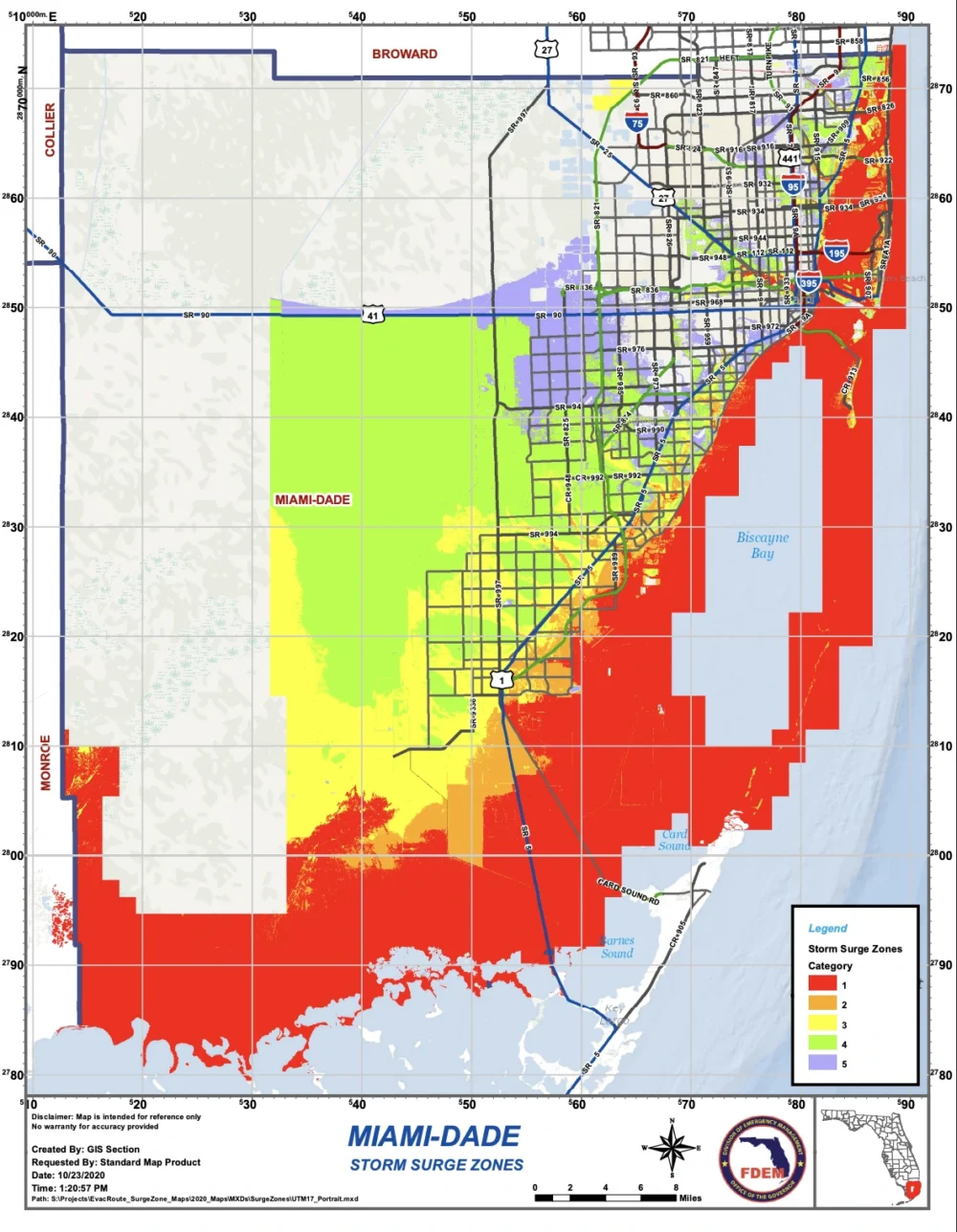
Miami-Dade Storm Surge Zones
Map illustrating potential storm surge zones in Miami-Dade during a hurricane.
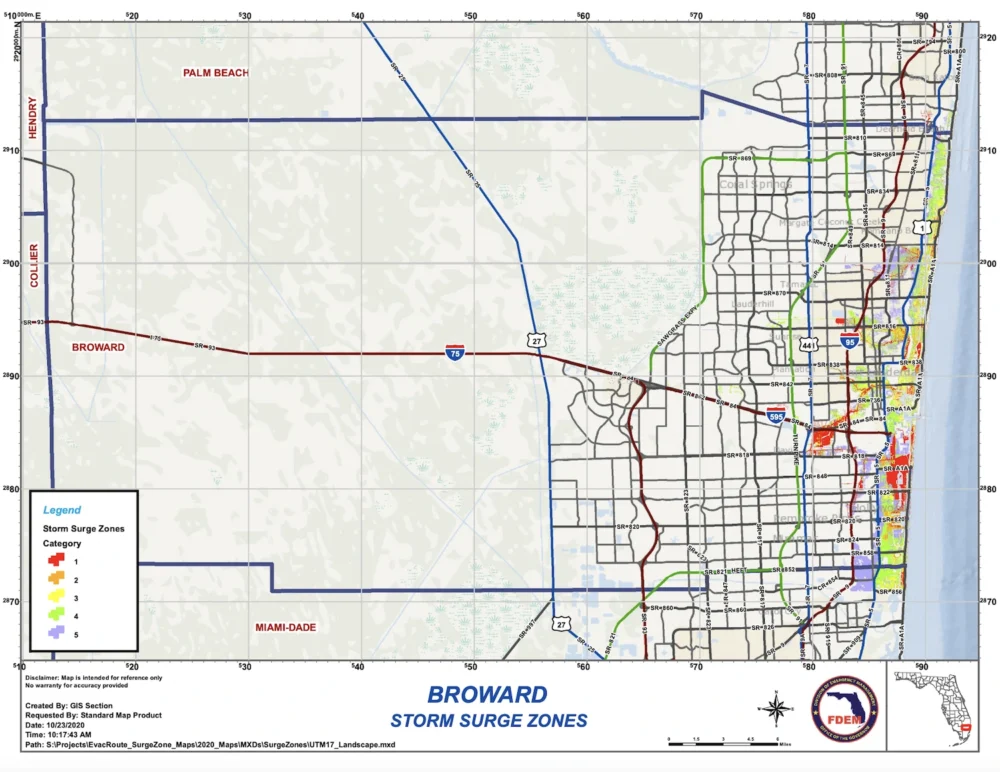
Broward County Storm Surge Map
Detailed map of storm surge zones in Broward County for hurricane preparedness
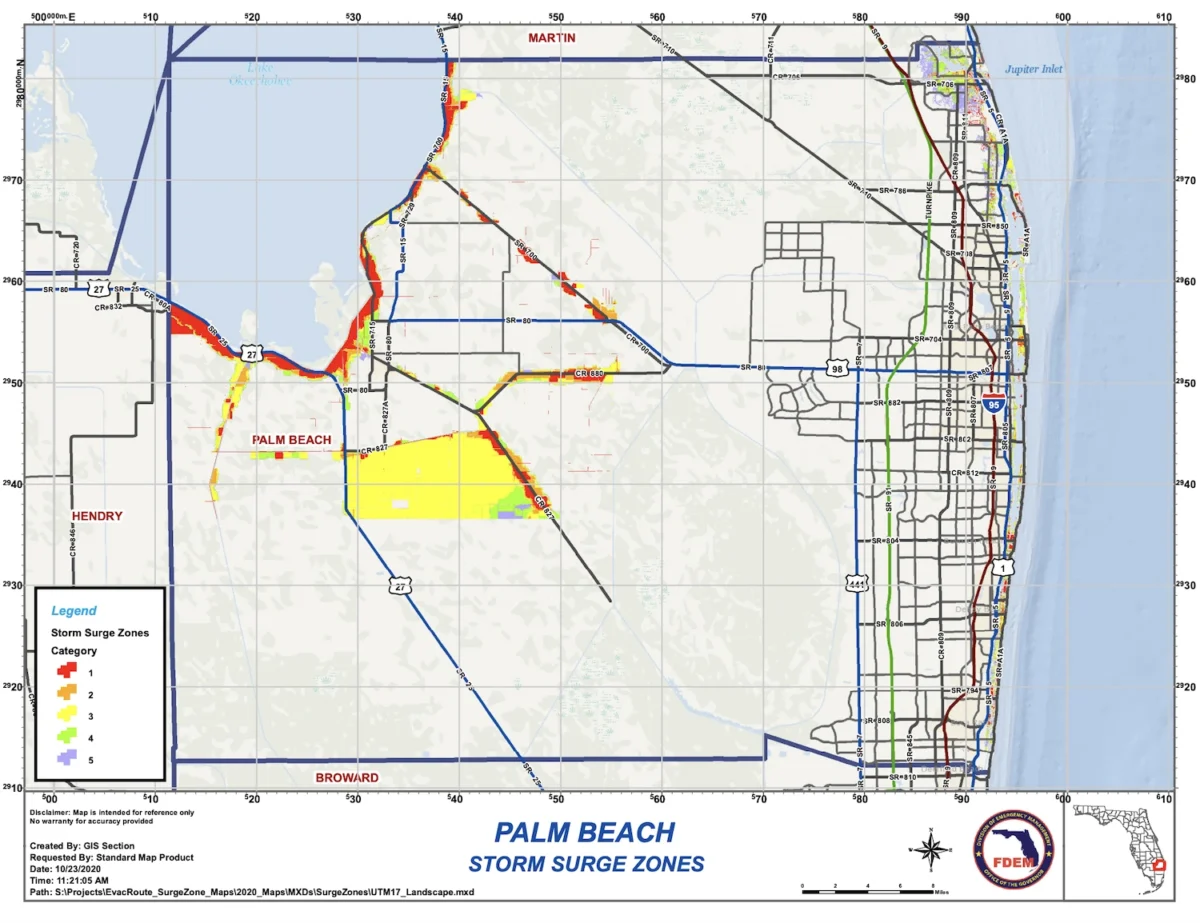
Palm Beach Storm Surge Zones Map
Detailed map of storm surge zones in Palm Beach, highlighting potential hurricane impacts.
Evacuations
Evacuation orders are issued to keep lives safe from rising water and storm surge. All mobile home residents must evacuate when orders are given, regardless of location.
If you evacuate, stay with friends or family outside evacuation zones when possible. Evacuation centers should be used only as a last resort, and space is limited. They are ADA-compliant and allow service animals. Evacuation plans are completed before tropical storm-force winds arrive. Learn more about your evacuation zone here.
Need Help Storm Proofing?
Providing impact-rated garage doors, entry doors, and professional garage door repair to keep your home safer during hurricane season, our team can prepare your property before the next storm hits.