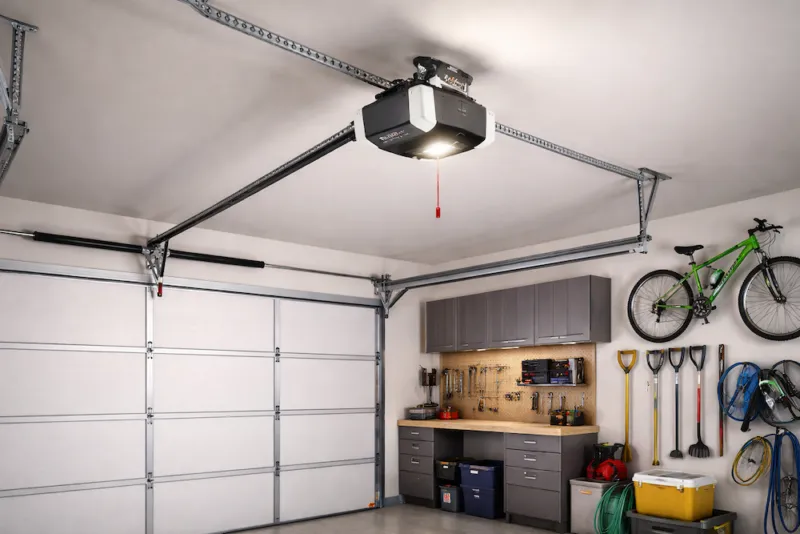
Your garage door opener is one of those things you don’t think about, until it stops working. Whether your door won’t open, reverses suddenly, or makes unsettling noises, opener issues are common and often disruptive.
Some problems are minor and can be handled with a little troubleshooting. Others can signal deeper mechanical or electrical issues that should be addressed by a professional. Here’s how to tell the difference.
Common Garage Door Opener Problems
The Garage Door Won’t Open or Close
This is the most frequent complaint homeowners face. The cause could be as simple as a dead remote battery—or as serious as a failing motor.
- Disconnected power supply
- Dead remote or keypad batteries
- Tripped circuit breaker
- Worn internal gears or motor failure
Door Starts Moving, Then Reverses
If your door begins to close and then immediately reverses, your safety system is likely doing its job.
- Misaligned or dirty safety sensors
- Objects blocking the door’s path
- Incorrect force or travel limit settings
Unusual Noises or Grinding Sounds
Garage door openers should run smoothly. Loud grinding, rattling, or screeching usually means something is wearing out.
- Loose hardware or mounting brackets
- Dry or worn drive components
- Aging opener nearing end of life
Remote or Wall Button Doesn’t Respond
When nothing happens after pressing the button, the issue may not be the opener itself.
- Faulty wall control wiring
- Interference affecting the remote signal
- Opener logic board malfunction
DIY Fixes You Can Try Safely
Check Power and Batteries
Make sure the opener is plugged in and the outlet is working. Replace batteries in remotes and keypads before assuming a bigger problem.
Clean and Align Safety Sensors
Wipe the sensor lenses with a soft cloth and confirm both sensors are facing each other at the same height. Even slight misalignment can stop the door.
Inspect the Door’s Path
Remove debris, tools, or buildup along the tracks that could trigger the opener’s safety reversal.
Reset the Opener
Sometimes a simple reset clears temporary glitches. Unplug the opener for about 60 seconds, then plug it back in and test.
When to Call the Experts
Basic troubleshooting is a great first step, but not all garage door opener problems are safe—or smart—to handle on your own. Because the opener works in coordination with heavy doors, high-tension springs, and electrical components, certain issues can quickly become dangerous or lead to costly damage if ignored.
If you’re unsure, it’s always better to pause and let a professional take a look. The Door Doctor is here to diagnose the issue correctly and get your system back to safe, reliable operation. Schedule service today if you notice any of the following.
Door Feels Heavy, Jerky, or Slams Shut
If your garage door suddenly feels heavier than usual, moves unevenly, or slams shut, the problem is likely not the opener at all. These are common signs of broken springs, frayed cables, or balance issues. Continuing to use the opener in this condition can burn out the motor or cause the door to fall unexpectedly.
Stop using the system immediately and schedule professional garage door repair.
Opener Runs but the Door Doesn’t Move
When the motor runs but the door stays put, the issue may involve stripped internal gears, a broken trolley, or a disengaged drive system. While some disengagements are simple, repeated failures usually indicate internal wear that requires professional repair or replacement.
Electrical Issues, Flashing Lights, or Inconsistent Operation
Random operation, flashing diagnostic lights, or a completely unresponsive opener often point to logic board or wiring issues. These components are not DIY-friendly and can worsen if improperly handled. Electrical problems should always be addressed by a trained technician.
Safety Sensors Won’t Stay Aligned
If you’ve cleaned and realigned the safety sensors multiple times and the problem keeps returning, there may be underlying wiring damage or mounting issues. Since safety sensors are critical for preventing accidents, this is not something to ignore.
An Older or Outdated Garage Door Opener
If your opener is more than 10–15 years old, lacks modern safety features, or struggles with daily use, replacement may be the most reliable option. Newer openers offer quieter operation, improved security, and better compatibility with today’s garage doors.
Get the Right Fix the First Time
A malfunctioning garage door opener is more than an inconvenience—it can impact your home’s safety, security, and daily routine. While some minor issues can be resolved with simple troubleshooting, persistent or serious problems deserve expert attention.
The Door Doctor has been serving South Florida homeowners for decades with honest recommendations, professional repairs, and dependable solutions. If your garage door opener isn’t working the way it should, don’t guess. Contact The Door Doctor and let our experienced technicians take care of it—safely and correctly.
Need a New Garage Door Opener?
Sometimes repair isn’t the best long-term solution—especially if your opener is outdated, unreliable, or lacking modern safety and security features. If your current system struggles with daily use, operates loudly, or no longer meets today’s standards, it may be time for an upgrade.
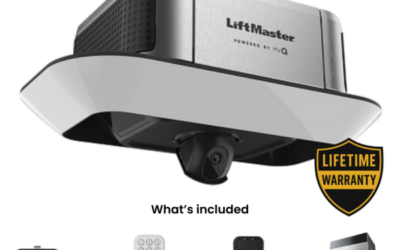
Liftmaster has recently released new garage door opener models designed for quieter operation, enhanced security, and smart-home compatibility. These newer systems offer features like improved motion detection, battery backup options, and app-based control for added convenience and peace of mind.
Professional installation ensures your new opener is properly matched to your garage door, safely configured, and set up for optimal performance from day one. If you’re considering an upgrade, explore our selection of trusted, high-quality options on our garage door opener product page, and let our experts handle the installation.